Skip Hire in Kentish Town

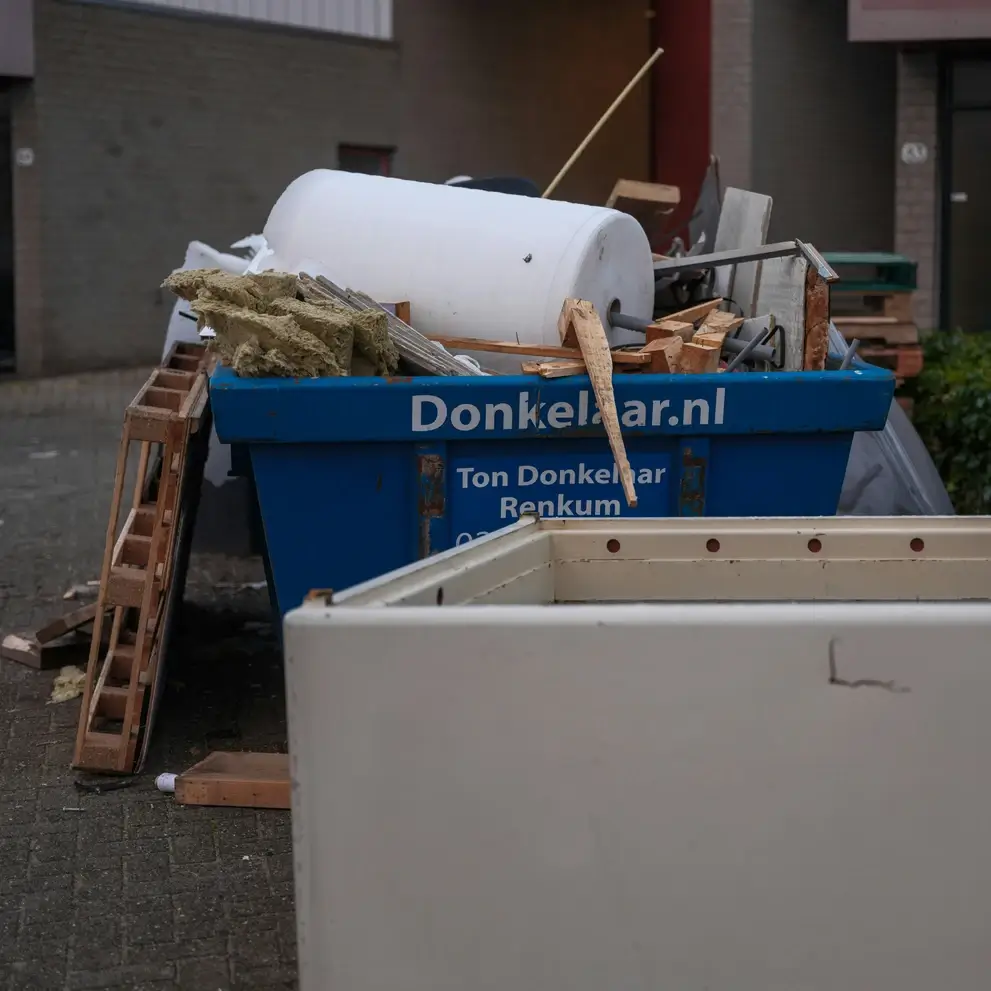
Skip hire in Kentish Town is a practical way to manage bulky waste, renovation rubble and general clear-outs when bags alone are not enough. Our service supports domestic and trade customers with straightforward container options, sensible load guidance and waste handling that is suited to everyday projects as well as more substantial building work. If you need a skip for mixed non-hazardous waste, we can help you choose a size and collection approach that fits the job.
The right arrangement depends on the material, the space available for delivery and how long you need the container on site. We focus on clear, usable options rather than overcomplicating the process, so you can compare skip sizes, understand what can and cannot be loaded and plan the work around access. For a quick start, look at our skip sizes and prices page for a straightforward overview of container choices.
If you are ready to move on, you can request a quotation once you know the type of waste and the approximate volume. If you are not sure yet, the rest of this page explains the main service groups and how they are typically used. Simple planning now can save a last-minute change later, especially where access, permit needs or mixed materials are involved.
Domestic skip hire for household clear-outs
Household jobs often create awkward waste that is heavier or less manageable than general bin collections allow. Domestic skip hire is suitable for loft clearances, kitchen updates, garden tidy-ups and everyday decluttering where you want one container for a mixture of accepted materials. It is usually the most direct option when you have space for a skip and want waste kept together on the property until collection.
For many home projects, the key decisions are size and waste type. A smaller skip can suit lighter clearances, while a larger container may be more practical for boards, broken fixtures and renovation offcuts. If your project includes furniture or appliances, check the accepted items first rather than assuming everything can be mixed together. When you need a broader household solution, our domestic skip hire page gives a clearer view of the service.
What domestic customers usually plan for
In home settings, access and loading are often the practical issues that matter most. Think about where the skip will sit, how waste will be carried to it and whether there is room for a lorry to place and collect it safely. If the waste is likely to be heavy, such as soil, tiles or old bathroom fittings, that can also influence the best size and the loading order. For mixed home waste, a balanced approach is usually easier than trying to separate everything into many smaller piles.
Builders waste and construction site loads

Building and refurbishment work produces waste that needs a sensible, contained solution. Our builders skip hire and construction waste disposal options are suited to rubble, timber, plasterboard, packaging and other non-hazardous site debris. These services are useful where work is active over several days or weeks and you need a reliable place to keep waste moving off the work area. The aim is simple: reduce clutter, keep materials organised and support steady progress on site.
Different jobs create different mixes of waste. A strip-out may generate light bulky items, whereas structural work may produce dense materials that fill a container quickly. That is why it helps to match the skip to the main waste stream rather than ordering a generic solution. If your project is mainly renovation-related, our builders skip hire page is a useful place to begin comparing the most appropriate option.
For some sites, another route may be more suitable than a standard skip. If access is tight or waste is being loaded from ground level, our grab hire services can be a practical alternative. That option is often chosen when material needs removing from a driveway, forecourt or open site without leaving a container in place for long periods. The best choice depends on the site layout, the type of waste and how quickly the material needs clearing.
Clearance services for fuller waste removal
Some customers do not need a container on site at all; they need waste removed as part of a fuller clearance. Our clearance services cover situations where items or debris are gathered up and taken away in one organised visit, which can be helpful for properties, outbuildings, offices and workspaces. This approach can suit customers who prefer waste to be collected rather than stacked into a skip themselves.
We also support more specific clearances where the material type or location matters. For example, our house clearance page is relevant when whole-room contents or mixed domestic items need attention, while office clearance is better suited to desks, furniture and workplace contents. If you have a garage, loft or similar storage space full of unwanted items, the dedicated garage and loft clearance service may be the more efficient route.
These services are often chosen for convenience where the waste is awkward, stacked in layers or spread across several rooms. The main question is not only volume, but also how the material is arranged and whether any items need separating before removal. In practice, that means thinking through what can stay, what must go and whether any parts of the job are better handled as a dedicated clearance rather than a skip on the kerb or drive.
Skip hire options for different access and loading needs

Access constraints can make a standard skip less convenient than it first appears. If the delivery point is tight, if you want to keep the container locked, or if the collection area must stay tidy and controlled, a different skip style may be more appropriate. We provide options that can support these practical needs, including enclosed and lockable arrangements where security or weather protection matters.
The enclosed and lockable skip hire option is designed for customers who want waste covered and less exposed, which can be useful on busy streets, commercial premises or sites where loose debris is a concern. For jobs where containers are turned around rapidly, our wait and load skip hire page may be more relevant, especially if there is no suitable location for a skip to remain in place for long.
Different access choices also affect how waste is loaded and how quickly the job can be completed. When you are comparing options, it helps to consider whether the waste will be carried out manually, loaded from a ground-floor area or lifted from a site that has limited vehicle space. A well-matched service can reduce disruption and make the overall process feel much more straightforward.
Garden waste, soil and heavier outdoor materials
Outdoor projects create their own waste profile. Our garden waste removal service is suitable for branches, hedge cuttings, turf, roots and mixed green material, while heavier tasks may involve soil, stone, slabs and broken landscaping features. These jobs can fill a container in a different way from household clearances, so it is worth identifying the likely mix before you choose a skip or removal method.
Where a project includes a lot of earth or stone, weight becomes as important as volume. Dense material can make a container reach its practical limit sooner than expected, even when it still looks as though there is spare space. If the job includes digging, re-landscaping or small structural changes outdoors, our garden waste removal page explains the service in more detail and may help you judge the best fit.
For larger outdoor or mixed land-based projects, alternatives such as muck away services can be useful when the waste is mostly soil or loose spoil. That distinction matters because not every project needs the same type of container or collection method. Choosing according to the dominant material is often the simplest way to keep costs, loading effort and site handling under control.
Site clearance, demolition waste and heavier project debris
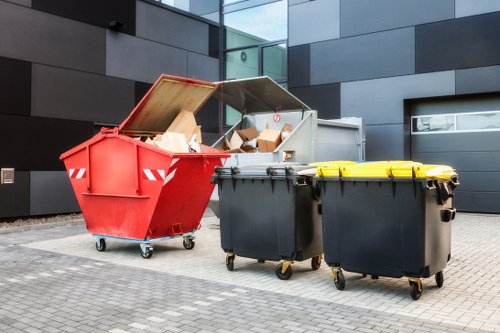
Some jobs go beyond a household tidy-up or a straightforward builders load. Site clearance and demolition waste removal are intended for larger, heavier or more varied debris streams where materials may come from several parts of a property or work area. This may include broken masonry, timber, old fixtures, packaging and mixed refuse generated as work progresses. The service is designed to keep the site clear enough for the next stage of activity.
Our site clearance service can help where a plot, yard or working area needs a tidy, systematic removal of waste. For more intense strip-out work, demolition waste removal is the more relevant option, particularly when the material is bulky, rough-edged or generated in substantial quantities. These services are best considered alongside the likely waste stream and the speed at which material is accumulating.
There are also cases where the method of removal matters as much as the waste itself. If you want to keep the area open and reduce the time waste sits on site, you may prefer a fast turnaround solution rather than a container waiting in place. If, on the other hand, the work will stretch over several days, a skip or repeated collections may be the better match. Planning around the workflow helps keep the job orderly.
Commercial and office waste arrangements
Businesses often need waste removed without interrupting daily operations. Our commercial skip hire service suits shops, workshops, offices and managed premises where waste accumulates in a predictable way and needs regular containment. The aim is to keep the premises usable, avoid excess storage of rubbish and make disposal manageable alongside normal work. When the waste is mostly furniture, fittings or general office contents, a tailored clearance may be more suitable than an open skip.
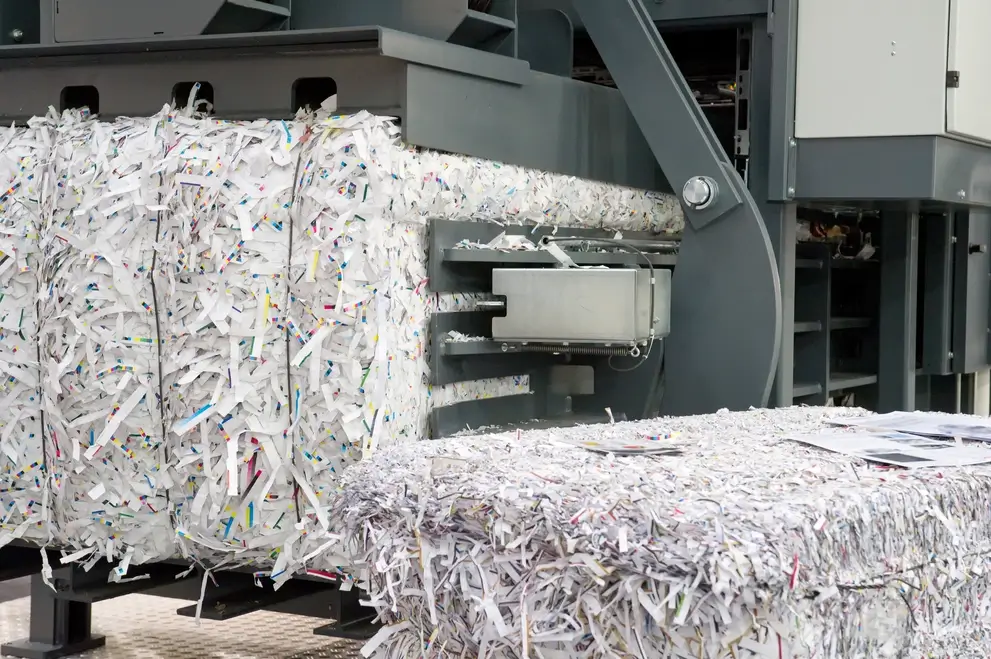
For workplace materials, our commercial skip hire page and office clearance page cover two different approaches to the same broad need. A skip can be useful where ongoing waste is being generated, while a clearance is better for a one-off removal of surplus items. If the waste stream includes confidential material, confidential shredding is a distinct service that should be considered separately from general rubbish removal.
Commercial customers often need to think about timing, building access and the kind of waste produced during a normal week. It helps to separate everyday waste from one-off project material, because the service chosen for one may not suit the other. That is especially true in workplaces where storage space is limited and collections need to be planned around staff movement, deliveries or client access.
Waste types, recycling and restricted materials
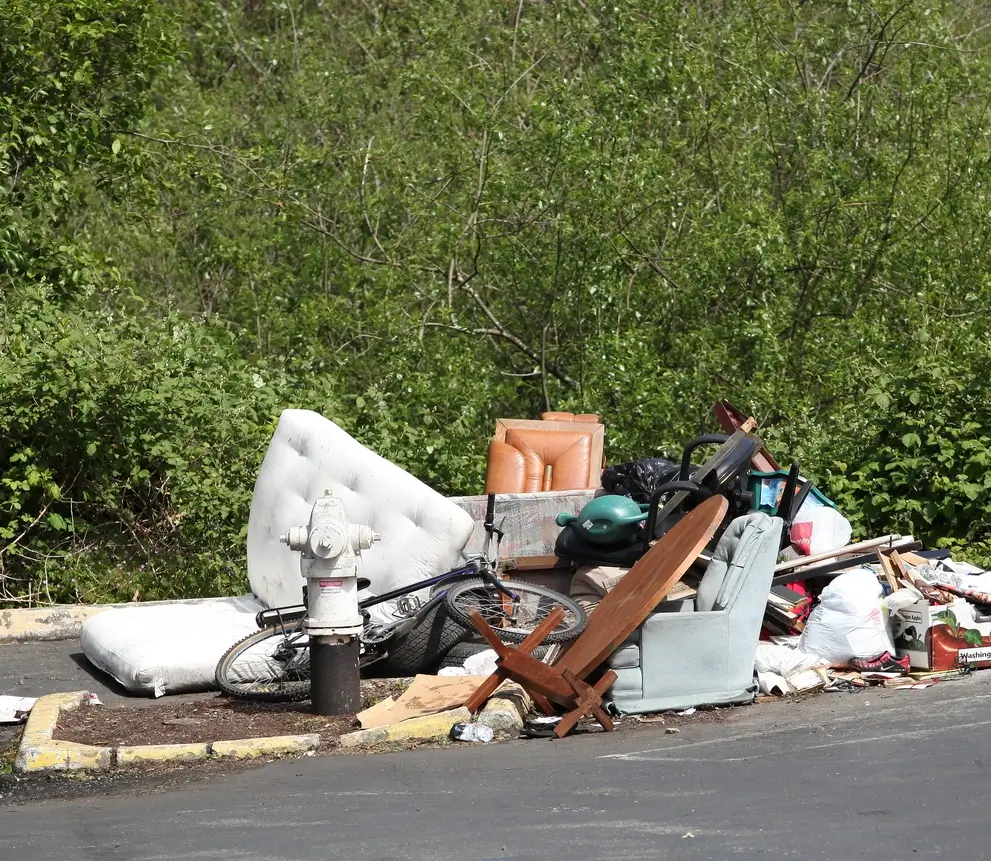
Not every item can go into a skip, and it is better to check the load type before you begin. Our what can go in a skip page is a useful reference when you are sorting mixed waste, especially if you are unsure about plasterboard, appliances, mattresses, paints, tyres or other items that may need separate handling. Understanding the accepted materials early can prevent delays and reduce the risk of a load having to be adjusted later.
Some materials need a different route altogether. We provide dedicated services for items such as appliances and soft furnishings through fridge and appliance removal and mattress and sofa disposal. Hazardous or controlled materials are not treated in the same way as ordinary mixed waste, so where the load is unusual, the correct service should be chosen before any collection is arranged.
Recycling also plays a part in how the waste is processed once collected. Our waste recycling services and recycling and sustainability pages explain the broader approach to waste handling. Where possible, separating recoverable material from general refuse can make the job easier to manage and support responsible disposal, but the exact mix depends on the waste itself rather than a fixed rule for every job.
About Kentish Town

Kentish Town is a district in north London within the London Borough of Camden, lying between Camden Town and Gospel Oak. Its name reflects a long history of settlement around the former road north from London, and the area developed gradually from a rural village into a dense urban neighbourhood during the nineteenth century. Much of Kentish Town’s character comes from that layering of eras: Georgian and Victorian terraces sit alongside later infill development, and the street pattern still hints at older routes and lanes. The area is closely associated with the line of Kentish Town Road, which has long been a principal north-south corridor through the district.
The neighbourhood is known for a mix of residential streets, local shops and transport links, with Kentish Town station on the Thameslink network and Kentish Town West serving the London Overground. Nearby open spaces include Hampstead Heath to the west and Parliament Hill Fields at the edge of the heath, both of which are important parts of the wider local landscape. The area also contains examples of London’s changing architectural history, from classic terraces and pubs to later civic and commercial buildings. Cultural life is visible in venues such as the Music Box on Kentish Town Road and in the smaller businesses and community spaces that line the main streets. The district’s position, neither central nor outer, has given it a mixed identity that combines busy through-routes with quieter side roads, making it distinct from nearby neighbourhoods while remaining firmly part of Camden’s urban fabric.
How to arrange your skip hire
Once you know the waste type and rough volume, the next step is to choose the service route that matches the job. You can start by comparing the skip size, considering where the container will sit and checking whether the load needs any special handling. If the project is straightforward, that may be all you need. If it is more complex, a brief outline of the waste can help narrow down the most suitable option before you request a quotation.
For a clear enquiry, it helps to have a short summary ready: the main material, the likely timing, the access conditions and whether you expect the waste to come from one room, one garden or a larger work area. If your job involves mixed materials, mention the heaviest items as well as the lighter ones. When you are ready, ask for a quotation and use the page links above to compare the most relevant service pages first.
Request a quotation if you want a more precise answer based on your own waste mix and preferred collection method. If you are still weighing up options, our service pages can help you decide between a standard skip, a clearance, grab hire or a specialist removal route. The best result comes from matching the waste to the method, not the other way round.